

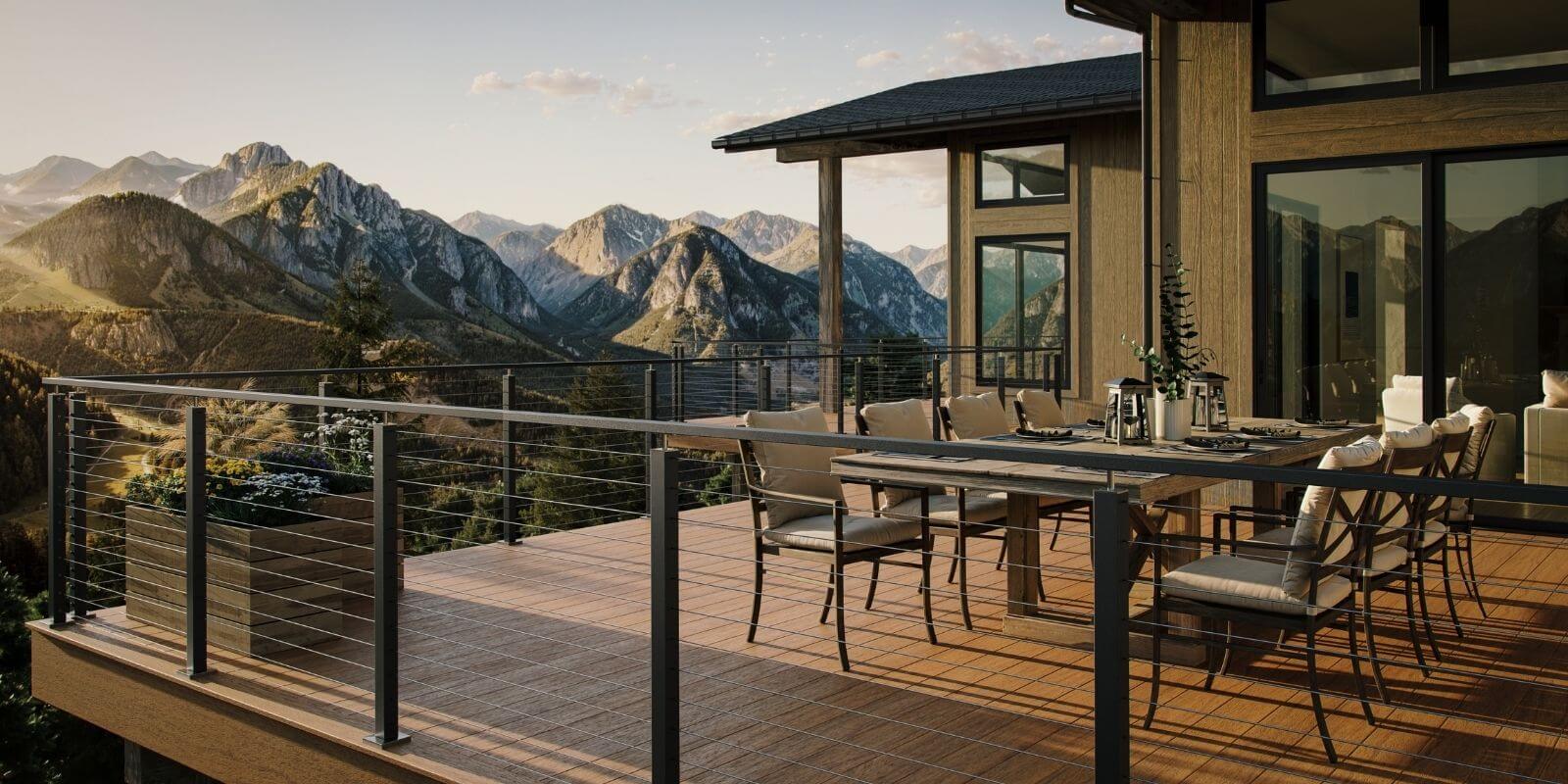
Railing Buying Guide: How to Choose the Right Railing System for Your Home
Railing Buying Guide: Quick Answer
The best railing system depends on where it will be installed, how much visibility you want, and how much maintenance you are comfortable with over time. Cable railing is a strong choice for preserving views, glass railing offers the clearest sightlines and a premium appearance, and aluminum railing provides durable, low-maintenance performance for decks, porches, stairs, balconies, and indoor spaces.
| Railing Type | Best For | Why It Works | Main Consideration |
|---|---|---|---|
| Cable Railing | Decks, balconies, lofts, scenic views, modern spaces | Thin horizontal cables keep sightlines open while creating a clean, modern look. | Cables may need occasional cleaning and tension checks. |
| Glass Railing | Waterfront homes, rooftop decks, balconies, luxury outdoor spaces | Glass panels provide maximum visibility and can help reduce wind exposure. | Glass typically needs more frequent visible cleaning. |
| Aluminum Railing | Porches, decks, stairs, entryways, low-maintenance projects | Powder-coated aluminum is durable, rust resistant, and easy to maintain. | It has more visible structure than cable or glass. |
A railing system does more than provide safety. It helps define the look, function, and overall feel of your space. Whether you are updating a deck, finishing a balcony, adding a loft guardrail, or planning a new build, choosing the right railing can improve both the appearance and usability of your home.
Today’s homeowners have more railing options than ever before. Modern railing systems are available in a variety of styles and configurations, each offering different benefits for visibility, maintenance, durability, and design. The best choice depends on where the railing will be installed, the look you want to achieve, and how much upkeep you are comfortable with over time.
What Is a Railing System?
A railing system is a complete guardrail or handrail solution designed to improve safety around raised surfaces, stairs, balconies, decks, porches, lofts, and mezzanines. Depending on the application, a railing system may include posts, infill, handrails, fittings, and associated hardware.
While railings are often required for safety and code compliance, they also play an important design role. The right railing system can make a space feel more open, more modern, and more complete.
Expert Insight: Start With the Space, Not the Product
The most effective way to choose a railing system is to start with the application. A deck with a scenic view, a front porch, an indoor loft, and a second-story balcony may all need railing, but each space has different priorities for visibility, durability, maintenance, and design.
Types of Railing Systems
One of the first decisions you will make is choosing the type of railing system that best fits your project. While all guardrails serve the same basic purpose, their appearance and performance can vary significantly.
Cable Railing
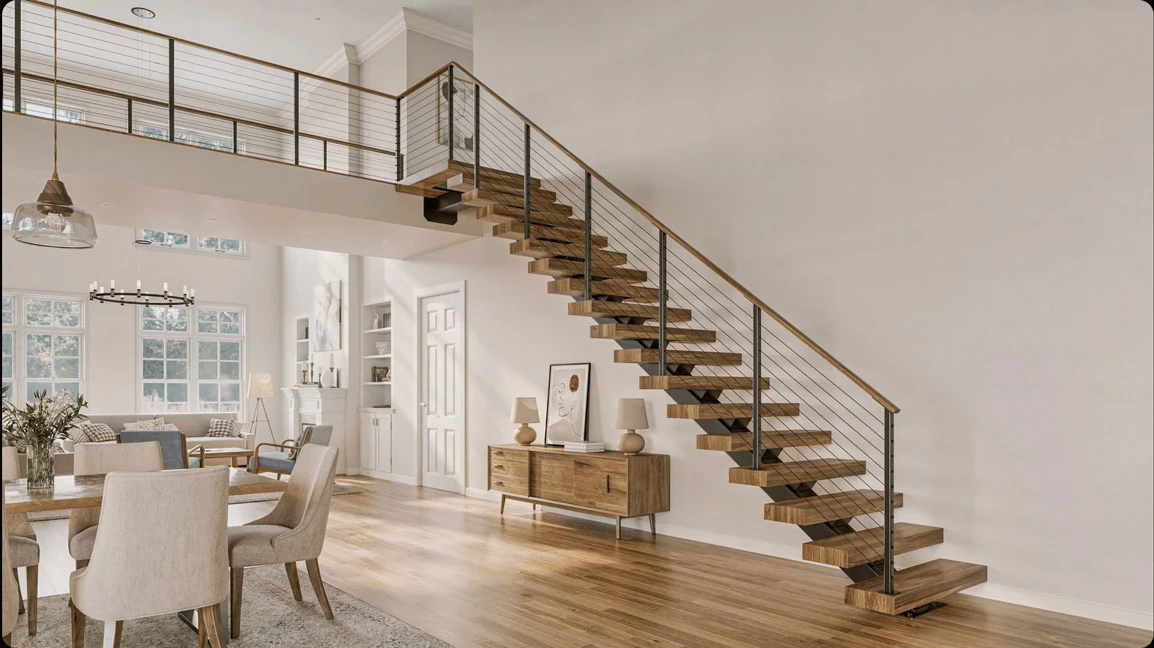
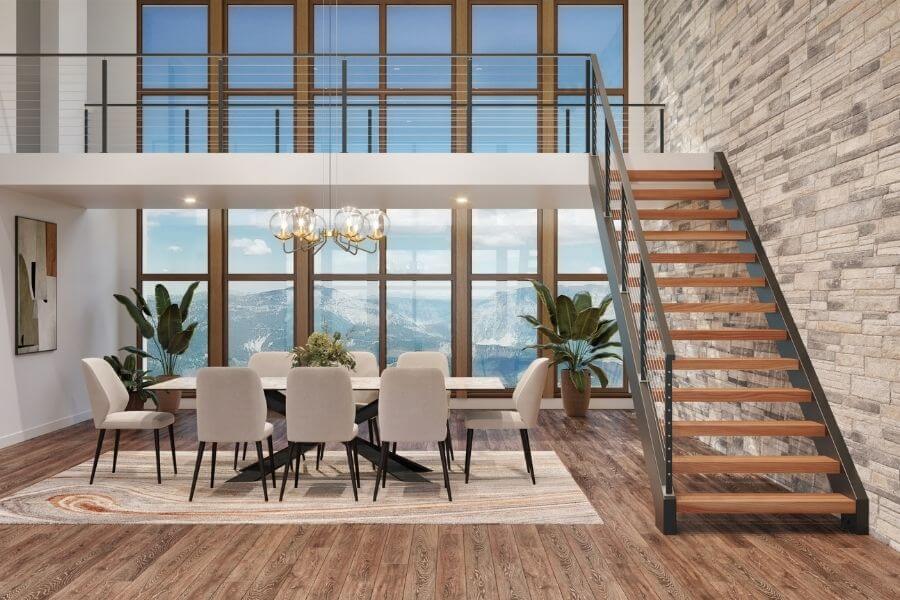
Cable railing systems use horizontal cables stretched between posts to create a clean, open look. Because the cables are thin and minimally obstructive, cable railing is one of the most popular options for homeowners who want to preserve views.
Cable railing works especially well for decks, balconies, porches, waterfront homes, mountain properties, modern interiors, lofts, and mezzanines.
One of the biggest advantages of cable railing is visual openness. Unlike traditional railing styles that can block sightlines, cable systems allow the surrounding view to remain the focal point.
Glass Railing
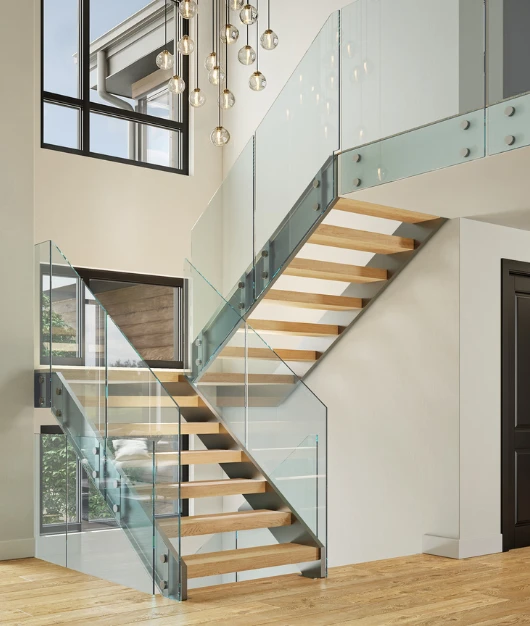
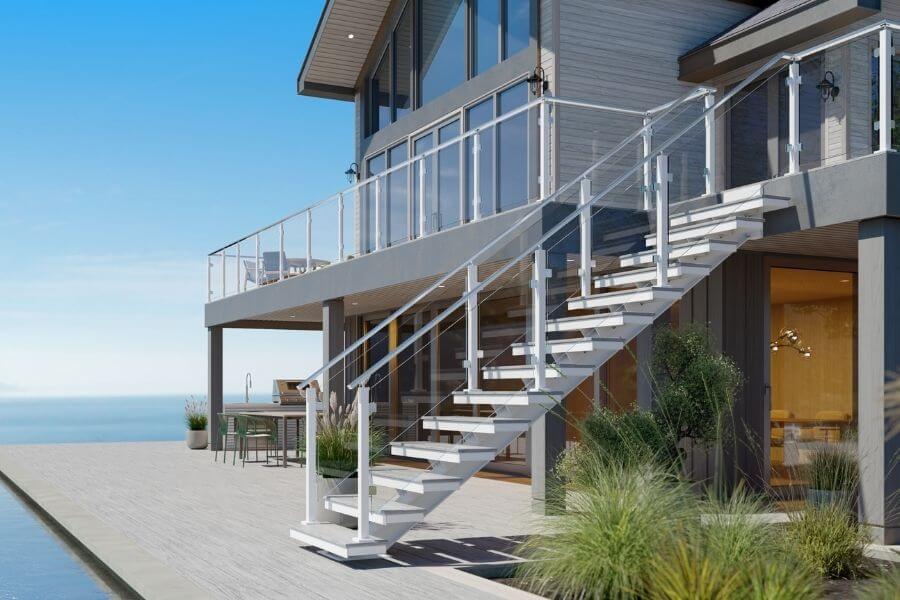
Glass railing systems offer one of the most unobstructed views available. Instead of pickets or cables, glass panels create a protective barrier while maintaining clear visibility through the railing.
Glass railing is often selected for oceanfront homes, lake houses, elevated decks, rooftop areas, pool surrounds, and high-end outdoor living spaces.
In addition to preserving views, glass railing can help reduce wind exposure, making outdoor areas more comfortable. It also creates a refined, contemporary appearance that works well with modern architecture.
Aluminum Railing
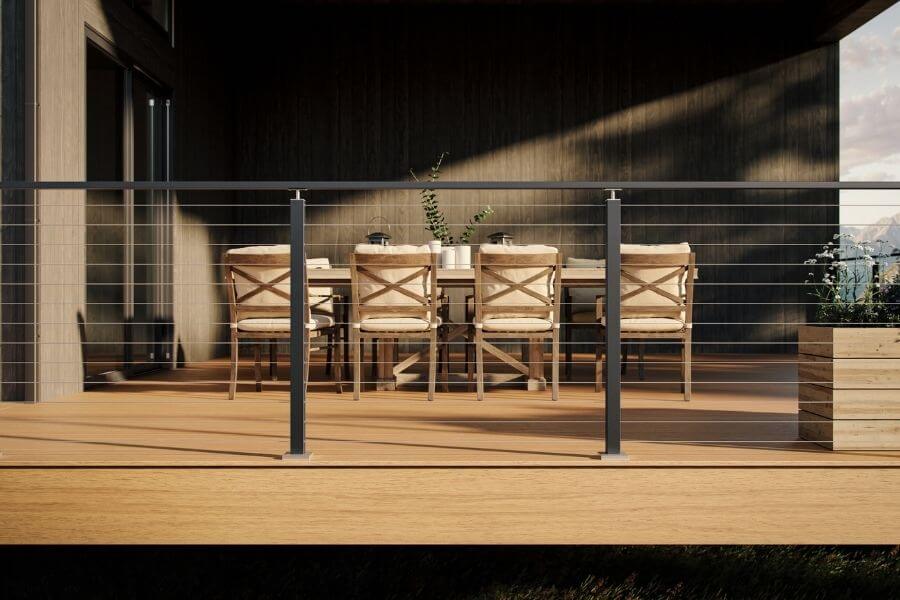
Aluminum railing systems are known for durability, low maintenance, and versatile design. Modern aluminum railings offer clean lines and long-lasting performance for both residential and commercial spaces.
Aluminum railing is a popular choice for decks, porches, stairs, entryways, multifamily properties, and outdoor spaces where dependable performance matters.
Unlike wood, aluminum will not rot, warp, crack, or require frequent refinishing. Powder-coated finishes help protect the railing from weather and everyday wear, making aluminum one of the easiest railing options to own.
Cable vs. Glass vs. Aluminum Railing
Each railing type has its strengths. The right choice depends on your priorities, including view preservation, maintenance, budget, installation, and design style.
| Feature | Cable Railing | Glass Railing | Aluminum Railing |
|---|---|---|---|
| View Preservation | Excellent. Thin cables keep sightlines open. | Excellent. Glass provides the clearest view. | Good. More visible structure than cable or glass. |
| Modern Appearance | Excellent for modern, coastal, and open-concept spaces. | Excellent for luxury, waterfront, and contemporary spaces. | Excellent for clean, versatile indoor and outdoor designs. |
| Maintenance Level | Low. Occasional cleaning and cable tension checks may be needed. | Moderate. Glass panels may show fingerprints, water spots, and debris. | Very low. Powder-coated aluminum is easy to maintain. |
| Outdoor Durability | Excellent for decks, balconies, porches, and exterior spaces. | Excellent, especially where wind protection is helpful. | Excellent for long-term weather resistance. |
| DIY Friendliness | Excellent for many straight railing sections. | Moderate due to glass panel handling. | Excellent for many standard deck and porch layouts. |
| Best For | Preserving views with a sleek, modern railing design. | Creating a premium look with maximum visibility. | Low-maintenance durability across many applications. |
Expert Insight: Match the Railing to the View
If the space overlooks water, mountains, woods, a golf course, or another scenic feature, cable or glass railing usually makes the most sense. If the railing is mainly for a porch, stair, or everyday exterior space, aluminum may provide the best balance of strength, style, and low maintenance.
Choosing a Railing Based on Your Space
The location of your railing plays a major role in determining which system will work best. A deck railing may need to handle weather exposure, while an indoor loft railing may be more focused on openness and style.
| Application | Recommended Railing | Why It Works | Image Recommendation |
|---|---|---|---|
| Deck | Cable, glass, or aluminum | Balances safety, durability, and outdoor living aesthetics. | Wide outdoor deck image |
| Balcony | Cable or glass | Maintains openness and preserves views from elevated spaces. | Balcony view image |
| Porch | Aluminum | Low maintenance and complements many home styles. | Front porch image |
| Indoor Stair | Cable or aluminum | Creates a clean, modern appearance without overwhelming the room. | Interior stair image |
| Loft / Mezzanine | Cable or glass | Maintains visibility between levels and supports open-concept design. | Loft railing image |
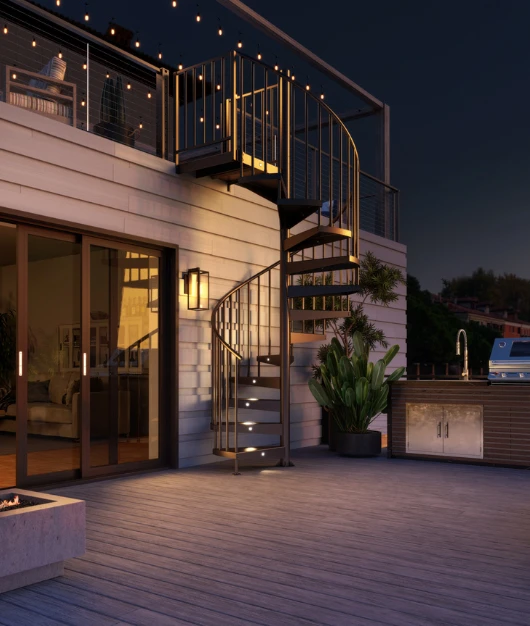
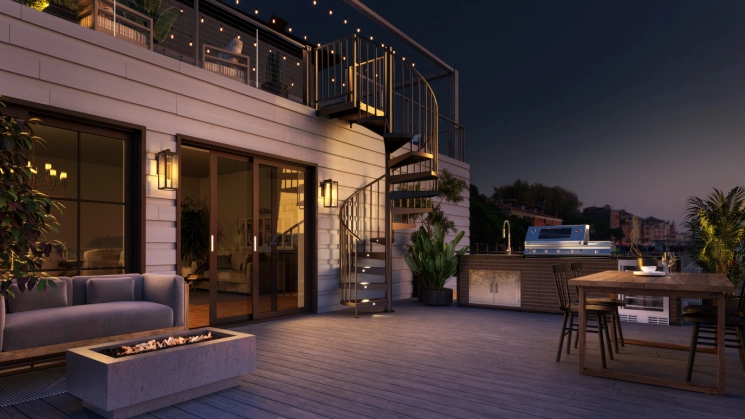
| Outdoor Living Area | Cable or glass | Keeps spaces feeling larger and helps preserve the surrounding view. | Lifestyle patio/deck image |
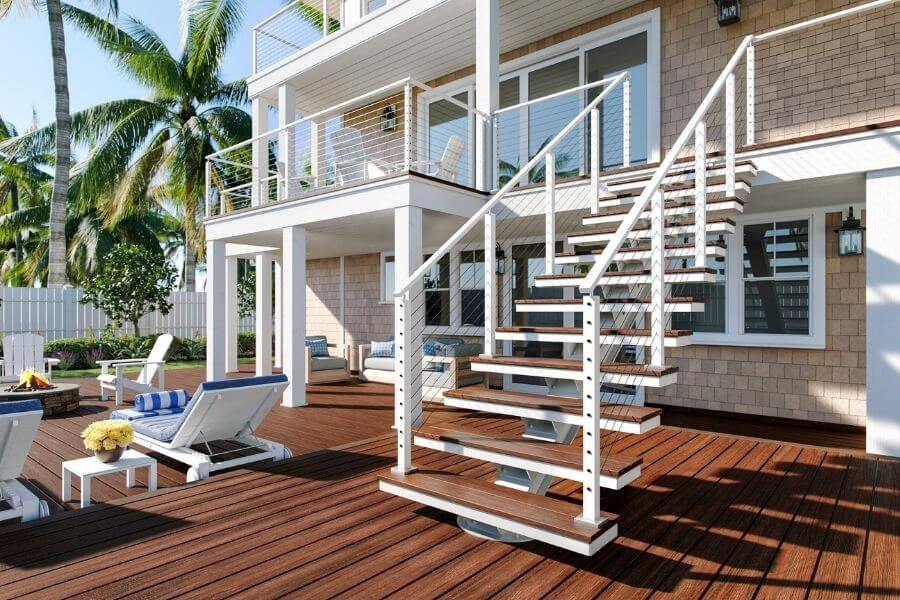
Deck Railings
Decks are one of the most common applications for residential railing systems. Because decks often serve as outdoor living areas, homeowners typically want a balance of safety, durability, and design.
For elevated decks with scenic surroundings, cable railing and glass railing are frequently chosen because they help preserve views. Aluminum railing is a strong option for homeowners who want a durable, low-maintenance railing that complements a wide range of home styles.
Balcony Railings
Balconies require railing systems that provide safety without making the space feel enclosed. Cable railing and glass railing are especially popular because they maintain an open feeling while still providing the required guardrail protection.
For modern homes, urban settings, and waterfront properties, balcony railing can dramatically improve both the appearance and functionality of the space.
Porch Railings
A porch railing is often one of the first design elements people notice when approaching a home. The right porch railing should complement your home’s architecture while providing dependable safety and durability.
Aluminum railing is a common choice for porches because it offers clean styling, weather resistance, and minimal upkeep.
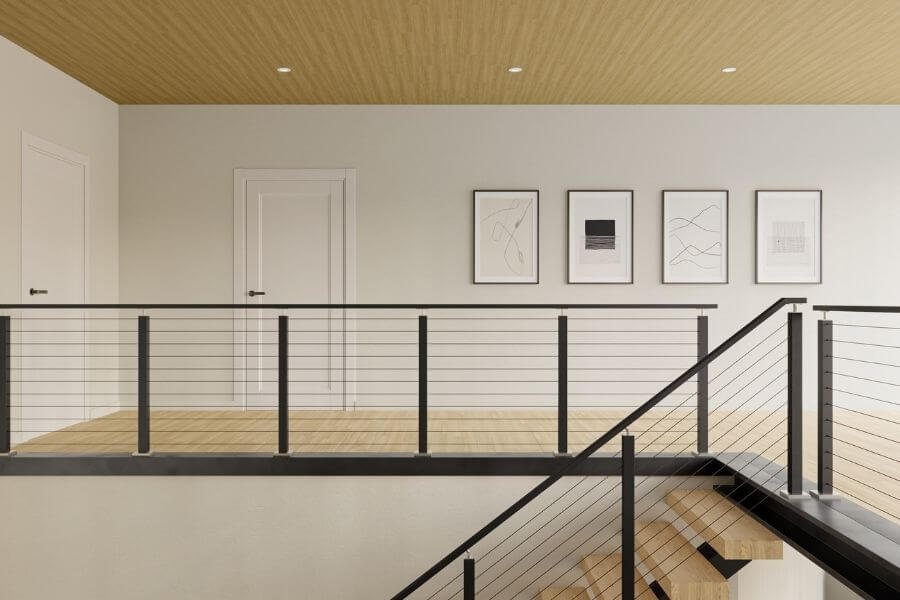
Indoor Railings
Railing systems are not limited to outdoor spaces. Interior railings can help define open-concept homes while maintaining visibility and natural light.
Popular indoor applications include stair railings, loft railings, mezzanine railings, overlook railings, and interior guardrails.
Loft and Mezzanine Railings
Modern homes increasingly include lofts, mezzanines, and second-story overlook spaces. These applications benefit from railing systems that provide safety while preserving openness between levels.
Cable railing and glass railing are both excellent options for loft and mezzanine spaces because they support a clean, open aesthetic.
Design Considerations When Buying Railing
While safety is essential, your railing system is also a major design feature. The right railing can elevate the look of an entire home.
Preserving Views
If your property overlooks water, mountains, woods, a golf course, or another scenic landscape, view preservation should be a primary consideration. Cable railing and glass railing are designed to minimize visual obstruction and keep attention focused on the surrounding environment.
Creating Open Spaces
Modern design trends continue to favor bright, open spaces. Railing systems with minimal visual bulk help support this look by allowing light and sightlines to move freely through the space.
Matching Your Home’s Style
Your railing should complement the overall design of your home. Modern and contemporary homes often pair well with cable railing, glass railing, and streamlined aluminum systems. More traditional homes may benefit from aluminum railing designs that offer clean lines with long-term durability.
Expert Insight: Modern Does Not Have to Mean Cold
Modern railing systems can make a space feel more open and finished without making it feel stark. The surrounding materials, such as decking, flooring, siding, furniture, and landscape elements, help determine whether the final look feels warm, coastal, industrial, or contemporary.
Understanding Railing Code Requirements
Railing code requirements are an important part of any railing project. Codes are designed to help prevent falls and ensure that guardrail systems are safe for everyday use.
Exact requirements can vary depending on your location, project type, and whether the space is residential or commercial. Common considerations include guard height, spacing between openings, load requirements, and where railings are required.
Railing Code: What to Know Before You Buy
Before ordering a railing system, confirm the requirements for your project with your local building department. Local jurisdictions may follow different code versions or add their own requirements for railing height, opening spacing, load resistance, and installation details.
Choosing a code-compliant railing system helps reduce risk during permitting, inspection, and long-term use. Paragon railing products are designed with safety, durability, and code compliance in mind, helping homeowners and contractors select a system with greater confidence.
DIY Installation vs. Professional Installation
Another key decision is whether you plan to install the railing yourself or hire a professional. Some railing systems are designed to be more DIY friendly, while others may require more experience or specialized handling.
Modular railing kits can simplify the process by providing a more complete system with compatible components. For many straight railing sections, installation can often be completed with common tools and careful planning.
DIY-Friendly Railing Systems
DIY-friendly railing systems are ideal for homeowners who are comfortable with basic tools and want more control over their project timeline. Cable and aluminum railing systems are often strong options for DIY installation because they are durable, modular, and easier to handle than some heavier railing materials.
Expert Insight: Plan the Layout Before You Order
For a smoother installation, measure the railing run, identify corners, confirm post locations, and review any local code requirements before ordering. A modular system can simplify installation, but accurate planning is still essential for a clean finished result.
When to Hire a Professional
A professional installer may be the better choice for complex layouts, large projects, commercial applications, elevated installations, or projects where local inspection requirements are more involved.
Questions to Ask Before Buying a Railing System
Before choosing a railing system, it helps to answer a few practical questions about your project.
- Where will the railing be installed? Indoor and outdoor spaces have different performance needs.
- Do you want to preserve a view? Cable and glass railing are ideal for open sightlines.
- How much maintenance are you comfortable with? Aluminum railing is especially low maintenance.
- What style are you trying to achieve? Modern, traditional, coastal, and industrial spaces may call for different railing designs.
- Are you installing it yourself? Modular railing kits can make installation more manageable.
- Does your project need to meet residential or commercial code? Confirm requirements before ordering.
- What is your budget? Material, layout, length, and installation all affect final cost.
Why Homeowners Choose Modular Railing Kits
Modular railing kits are designed to make the buying and installation process easier. Instead of sourcing individual parts from multiple suppliers, homeowners can choose a system with compatible components engineered to work together.
This can reduce guesswork, simplify planning, and create a more polished finished result.
Benefits of Modular Railing Kits
- Simplified product selection
- Coordinated components
- Cleaner finished appearance
- DIY-friendly installation options
- Low-maintenance materials
- Solutions for indoor and outdoor spaces
- Modern styles for decks, balconies, porches, lofts, and stairs
Find the Right Railing System for Your Project
The right railing system depends on how you plan to use the space. Cable railing, glass railing, and aluminum railing each offer unique advantages, and the best choice comes down to your priorities for visibility, maintenance, design, and installation.
If you want an open, modern look, cable railing is a strong option. If you want the clearest possible view and added wind protection, glass railing may be the right fit. If you want a durable, low-maintenance system that works across many applications, aluminum railing is a dependable choice.
Explore Paragon’s railing options by material, application, and style to find the best fit for your home.
- Cable Railing Kits
- Glass Railing Kits
- Aluminum Railing Kits
- Deck Railing Kits
- Balcony Railing Kits
- Porch Railing Kits
- Indoor Railing Kits
- Outdoor Railing Kits
- Loft and Mezzanine Railing Kits
- Modern Railing Kits
Railing Buying Guide FAQs
What is the best type of railing for a deck?
The best deck railing depends on your priorities. Cable railing is ideal for preserving views, glass railing offers the clearest sightlines and wind protection, and aluminum railing is a durable, low-maintenance option for many deck styles.
What railing is best for preserving a view?
Cable railing and glass railing are the best options for preserving views. Cable railing creates minimal visual obstruction, while glass railing provides the clearest possible view through the railing system.
Is aluminum railing good for outdoor use?
Yes. Aluminum railing is a strong choice for outdoor use because it is durable, rust resistant, and low maintenance. Powder-coated finishes help protect the railing from weather exposure.
Is cable railing good for indoor spaces?
Yes. Cable railing is popular for indoor spaces because it creates an open, modern look. It works especially well for lofts, mezzanines, stairs, and open-concept interiors.
Is glass railing hard to maintain?
Glass railing requires more visible cleaning than cable or aluminum railing because fingerprints, water spots, and debris can show on the panels. However, many homeowners choose glass because of its premium appearance and unobstructed views.
Can I install a railing system myself?
Many modular railing systems are designed to be DIY friendly, especially for straightforward layouts. More complex projects, commercial applications, or elevated installations may benefit from professional installation.
Do railing systems need to meet code?
Yes. Railings often need to meet local building code requirements for height, spacing, strength, and placement. Always verify requirements with your local building department before starting your project.
What is the lowest-maintenance railing option?
Aluminum railing is one of the lowest-maintenance railing options. It does not rot, warp, or require staining, and powder-coated finishes help provide long-term durability.
Get A Custom Railing Quote
Our experts can help you compare options, understand code requirements, and build the right system.