


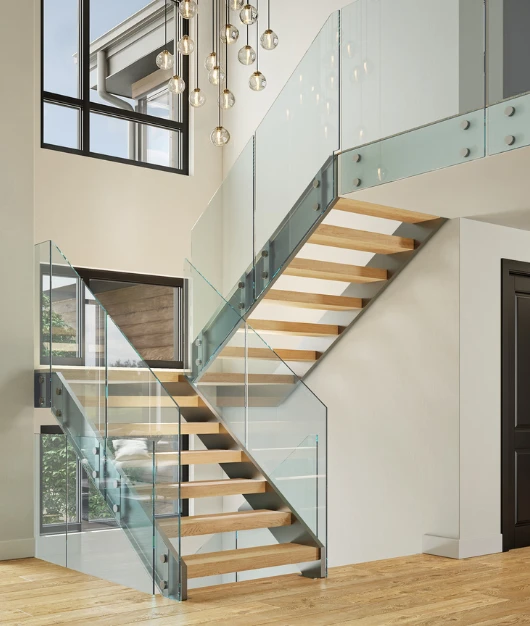

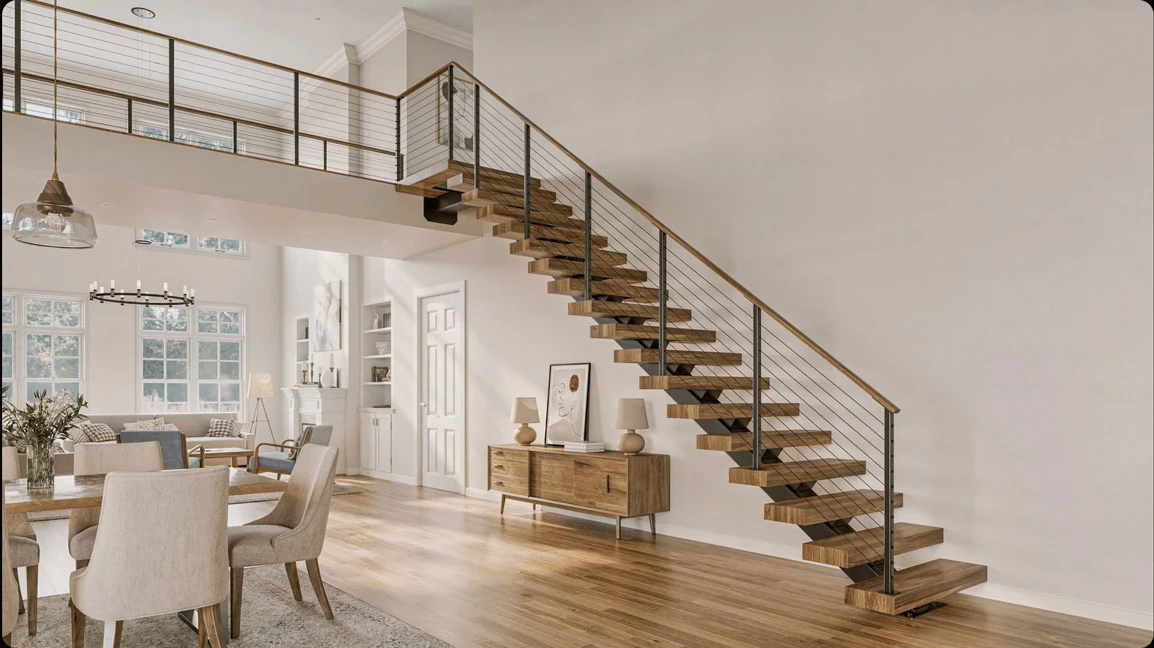
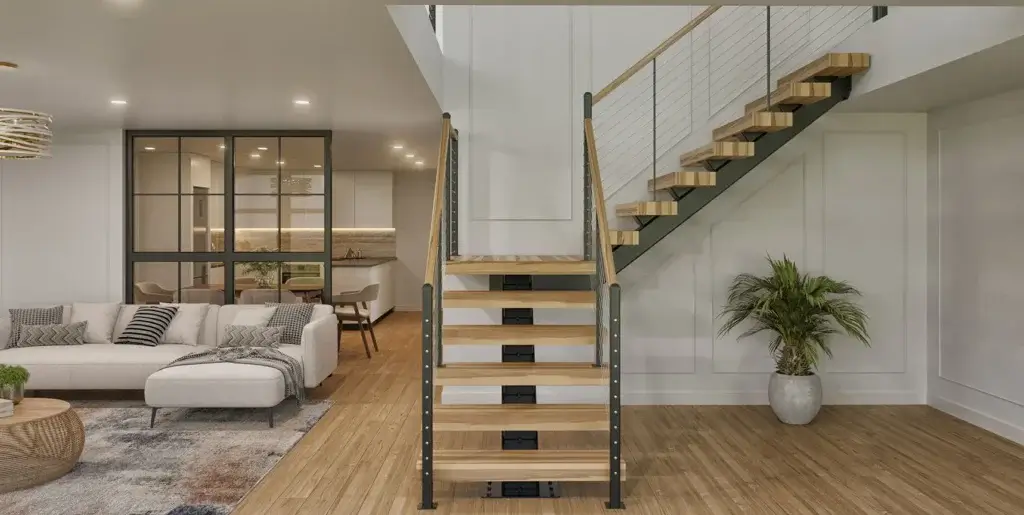
Floating stairs and traditional stairs can both connect levels safely and beautifully, but they create very different results in a home. A floating staircase is typically more open, modern, and visually light, while a traditional staircase usually feels more familiar, enclosed, and straightforward to build. The better choice depends on your design goals, budget, structural conditions, and how the stairs will be used every day.
If you are comparing floating stairs vs traditional stairs, this guide breaks down the real differences in appearance, construction, cost, maintenance, safety, and long-term usability so you can choose the right fit for your project.
Looking for a modern stair solution? Explore Paragon’s floating stairs to compare styles, materials, and installation-ready options.
Floating Stairs vs Traditional Stairs at a Glance
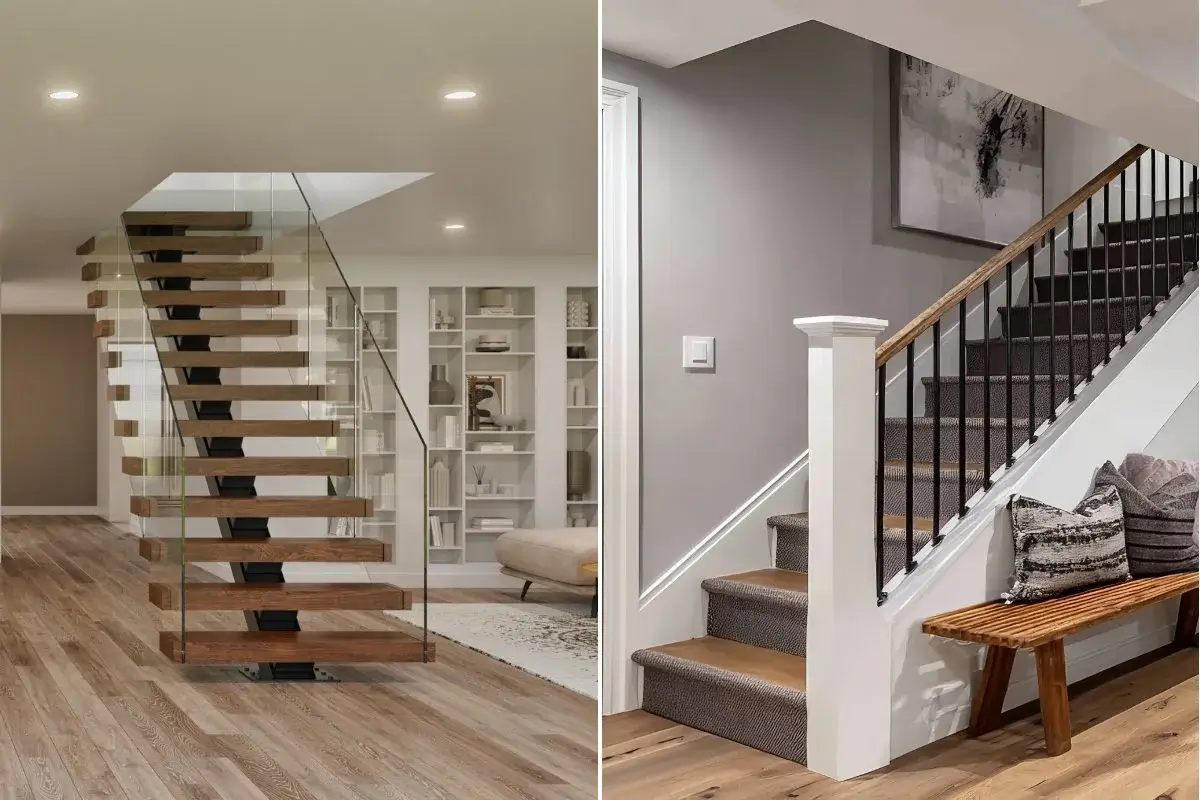
Floating stairs are usually chosen for their clean architectural look and open-riser design. Traditional stairs are often chosen for their practicality, familiarity, and easier integration into standard home construction.
| Feature | Floating Stairs | Traditional Stairs |
|---|---|---|
| Appearance | Open, modern, minimal | Classic, enclosed |
| Structure | Hidden support | Visible framing |
| Cost | Higher | Lower |
| Installation | Precision-heavy | Standard |
| Maintenance | More visible | More forgiving |
What Are Floating Stairs?
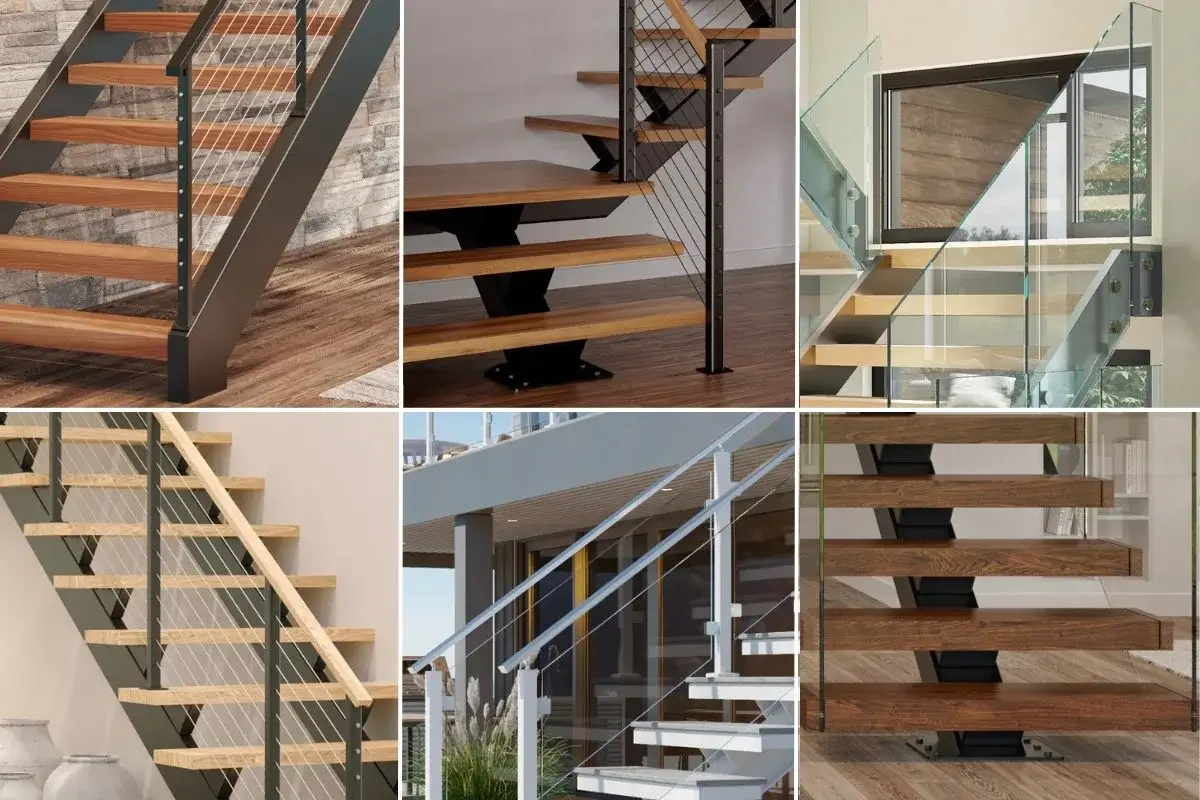
Floating stairs are designed to create the appearance of treads suspended in space using hidden or minimal structural support. They are commonly used in modern homes to create openness and allow light to pass through the space.
Because the structure is less visible, floating stairs require significantly more engineering than a regular staircase. Without proper planning, they can lead to structural or installation issues.
Key Features
- Open risers
- Minimal support visibility
- Modern design appeal
- Steel and wood construction
Paragon Insight:
Floating stairs require precise engineering to perform correctly over time. Unlike many stair companies that rely on generic templates or outsourced designs, Paragon Stairs has an industry-leading in-house engineering team that works directly with you, your contractor, and your designer to ensure your staircase is structurally sound, code-compliant, and built to fit your exact space.
What Is a Traditional Staircase?
A traditional staircase is built using standard framing methods with enclosed risers and visible structural elements. It is the most common type of staircase used in residential construction.
Common Features
- Closed risers
- Visible structure
- Wood, carpet, or painted finishes
- Familiar and functional design
Structural and Construction Differences
Floating Stair Construction
Floating stairs rely on engineered support systems such as steel stringers or wall anchoring. Every component must be precisely planned and coordinated with the surrounding structure.
Paragon Insight:
Floating stair construction leaves little room for error. Our in-house engineering team designs every system based on your specific layout and structural conditions, helping reduce on-site guesswork and ensuring a smoother installation process for your builder.
Traditional Stair Construction
Traditional stairs are built using standard carpentry techniques and are easier to integrate into most homes. Builders are typically more familiar with this method, making it more straightforward to install.
Floating Staircase Cost vs Traditional Stair Cost
Why Floating Costs More
Floating stairs typically cost more due to engineering requirements, premium materials, and specialized installation.
Traditional Cost Expectations
Traditional stairs are often more budget-friendly due to standardized materials and simpler construction.
Cost Comparison
| Factor | Floating | Traditional | Notes |
|---|---|---|---|
| Materials | Premium | Standard | Varies widely |
| Labor | Specialized | Common | Impacts cost |
| Engineering | High | Lower | Project dependent |
Floating Staircase Kit vs Standard Construction
A floating staircase kit is designed off-site and delivered ready for installation, offering more predictable results and fewer on-site variables.
Paragon Insight:
A floating staircase kit should do more than just arrive at your jobsite. Paragon Stairs provides engineered systems, detailed installation guidance, and ongoing support, so you and your contractor have clarity and confidence from planning through installation.
Safety and Usability
Safety depends on proper design, engineering, and installation rather than staircase style alone.
- Non-slip treads
- Handrails
- Proper lighting
- Code compliance
Which Staircase Is Better?
Choose Floating If:
- Modern aesthetic
- Open feel
- Higher budget
Choose Traditional If:
- Classic style
- Lower budget
- Simpler installation
Need help choosing? Paragon Stairs offers professionally engineered stair systems designed for both performance and design. Explore floating stairs to compare options.
FAQs
Are floating stairs more expensive than traditional stairs?
Yes, floating stairs are usually more expensive than traditional stairs because they require more engineering, specialized fabrication, and precise installation. Costs are often driven by steel support systems, premium tread materials, and modern railing options like glass or cable. Traditional stairs are typically more budget-friendly because they use standard framing methods and widely available materials. However, a professionally engineered floating stair system can help avoid costly adjustments or performance issues later, which can impact long-term value.
Do floating stairs make a room look bigger?
Yes, floating stairs can make a room feel larger because their open-riser design allows light and sightlines to pass through the space. Unlike enclosed traditional stairs, they create less visual blockage and help rooms feel brighter and more open. This is especially beneficial in smaller layouts or open-concept homes where maintaining flow is important. While they don’t increase actual square footage, they can significantly improve how spacious a room feels.
Are floating stairs safe for children and pets?
Floating stairs can be safe for children and pets when they are properly engineered, installed correctly, and designed with the right safety features. Key factors include tread spacing, secure railing systems, non-slip surfaces, and proper lighting. Local building code requirements may also affect allowable spacing and design, so it’s important to confirm those before finalizing a project. For some households, a traditional enclosed stair may still feel more comfortable, but floating stairs can be a safe option when designed thoughtfully.
Which is easier to maintain: floating stairs or traditional stairs?
Traditional stairs are often easier to maintain because wear, dust, and everyday use are less visible. Enclosed risers, carpet, and painted surfaces can help hide scuffs and debris in busy households. Floating stairs tend to show dust, footprints, and surface wear more easily, especially with glass, wood, or metal finishes. The better choice depends on whether you prioritize low-maintenance living or a more open, design-focused look.


