

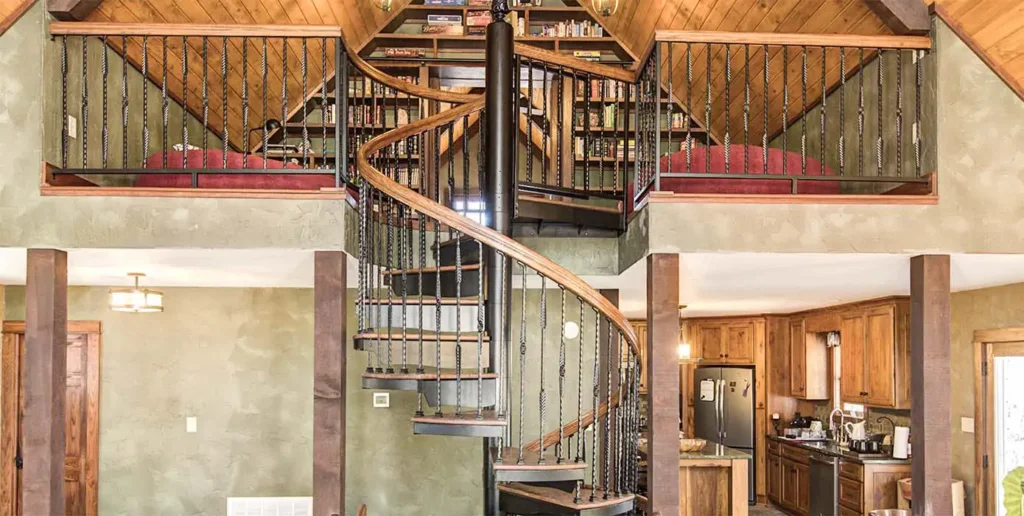
One of the first questions homeowners ask when exploring spiral stairs is cost. While it would be convenient to point to a single price, spiral stair pricing depends on several factors related to design, materials, and installation needs.
Understanding what influences spiral stair cost can help you budget realistically and avoid surprises as your project moves forward.
Key Takeaways
- Spiral stair pricing varies based on design and materials.
- Outdoor stairs often prioritize durability and finish.
- Size, height, and placement affect overall cost.
- Installation considerations matter as much as the stair itself.
- Planning early helps align expectations and budget.
Why Spiral Stair Pricing Varies
Unlike off-the-shelf home products, spiral stairs are often planned to fit a specific space. Because of this, pricing reflects a combination of design choices rather than a single standard cost.
Factors such as size, material, and placement all influence the final investment.
Material Choice
Material is one of the most significant factors affecting spiral stair cost.
Common considerations include:
- Metal versus wood components
- Indoor or outdoor-rated materials
- Finish and coating options
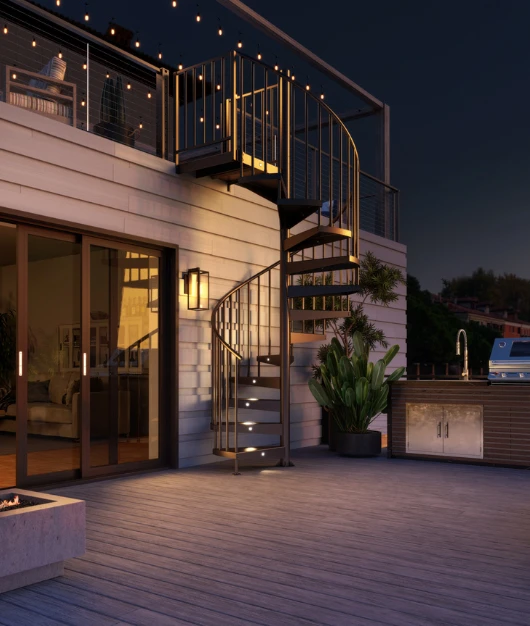
Outdoor spiral stairs may require materials and finishes designed to withstand weather exposure, which can affect overall pricing.
Size and Height
The dimensions of a spiral stair play a role in cost. Taller stairs typically require more steps and structural components, while larger footprints may use additional materials.
Height considerations include:
- Total distance between levels
- Number of steps needed
- Overall stair configuration
More complex layouts may increase material and fabrication requirements.
Indoor vs Outdoor Applications
Indoor and outdoor spiral stairs often have different priorities that affect pricing.
Outdoor stairs may account for:
- Weather-resistant finishes
- Drainage and moisture considerations
- Exposure to temperature changes
Indoor stairs may focus more on aesthetics and integration with interior finishes.
Placement and Installation Factors
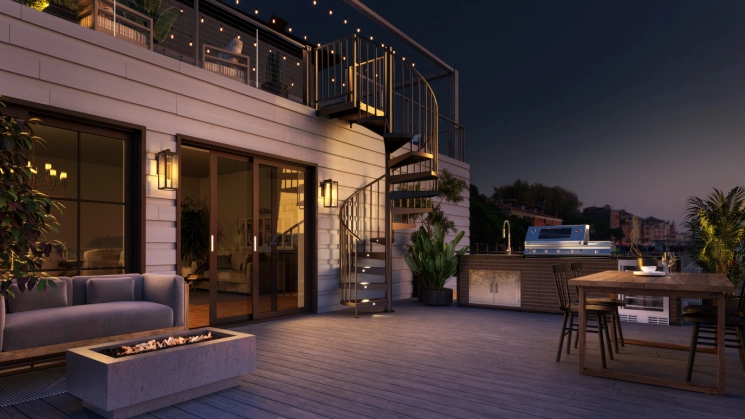
Where the stair is installed can influence total project cost. Decks, walk-out basements, and tight layouts may require additional planning or site preparation.
Installation-related factors include:
- Access to the installation area
- Existing structures or obstructions
- Foundation or support requirements
These elements are often considered alongside the stair itself when budgeting.
Customization and Design Details
Customization can also affect cost. While some homeowners prefer a straightforward design, others prioritize specific finishes or visual details.
Custom options may include:
- Railing style
- Tread material
- Color or finish selection
More customization generally means more variables in pricing.
Budgeting for the Full Project
When thinking about cost, it helps to look beyond the stair alone. Installation, site preparation, and long-term maintenance all factor into the overall investment.
Asking early questions about these elements helps create a clearer budget picture.
Why Online Pricing Is Often Limited
Many manufacturers and suppliers avoid listing fixed prices online because spiral stairs are rarely one-size-fits-all.
Instead of a single price, homeowners are often guided toward:
- Planning tools
- Quick pricing estimates
- Project-specific quotes
This approach helps ensure pricing reflects the actual project rather than an average that may not apply.
Planning With Confidence
While spiral stair costs can vary, understanding the factors involved helps homeowners plan more confidently. Clear expectations around materials, size, and placement make it easier to align design goals with budget.
Read More
Get a Better Cost Estimate
Understanding what affects pricing is the first step toward planning a spiral stair that fits your space and budget.


