

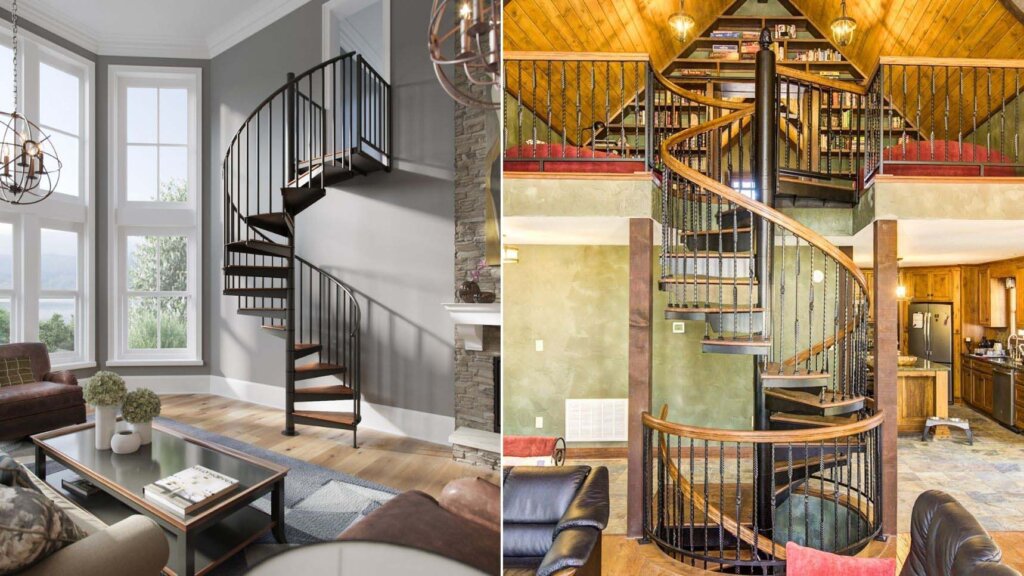
Choosing between prefab stairs and custom stairs is one of the biggest decisions in a renovation or new build. Your staircase affects layout, timeline, installation complexity, and long-term value. The right choice depends on your budget, your design goals, and how flexible your project needs to be.
This guide compares prefab staircase systems and custom staircase solutions across cost, installation time, design flexibility, and durability. You’ll also find quick decision checklists, tables you can reference, and short FAQ answers designed to help you make a confident call.
Quick answer: Choose prefab stairs for faster installation, predictable pricing, and standard layouts. Choose custom stairs for unique architecture, premium finishes, and complex structural conditions.
Jump to key differences | Jump to cost comparison | Jump to decision checklist
What Are Prefab Stairs?
 Definition of Prefabricated Staircase Systems
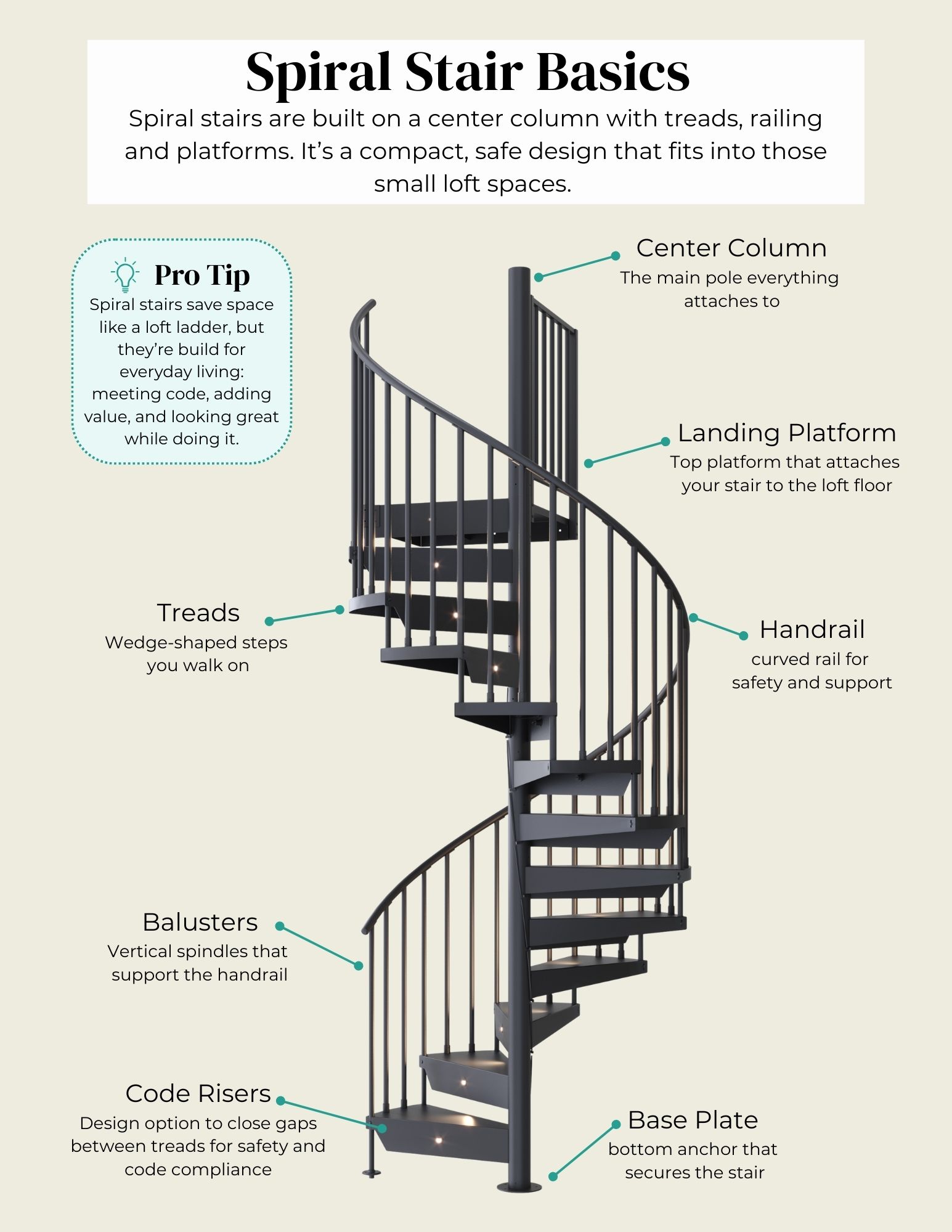
Prefab stairs are stair systems manufactured off-site using standardized components. A prefab staircase is typically shipped as a kit and assembled on-site, which can simplify scheduling and reduce installation time. Many prefabricated stair kits are engineered for consistent quality and predictable fit.
Because prefabricated staircase systems use modular parts, they’re often easier to plan for in straightforward residential projects. They can also be a smart option when the project needs a faster turnaround.
Types of Prefabricated Stair Kits
Prefabricated stair kits come in a range of styles and configurations. Some are designed for contractor installation, while others are DIY stair kits for experienced homeowners.
- Prefab steel stairs (durable, strong, and widely used)
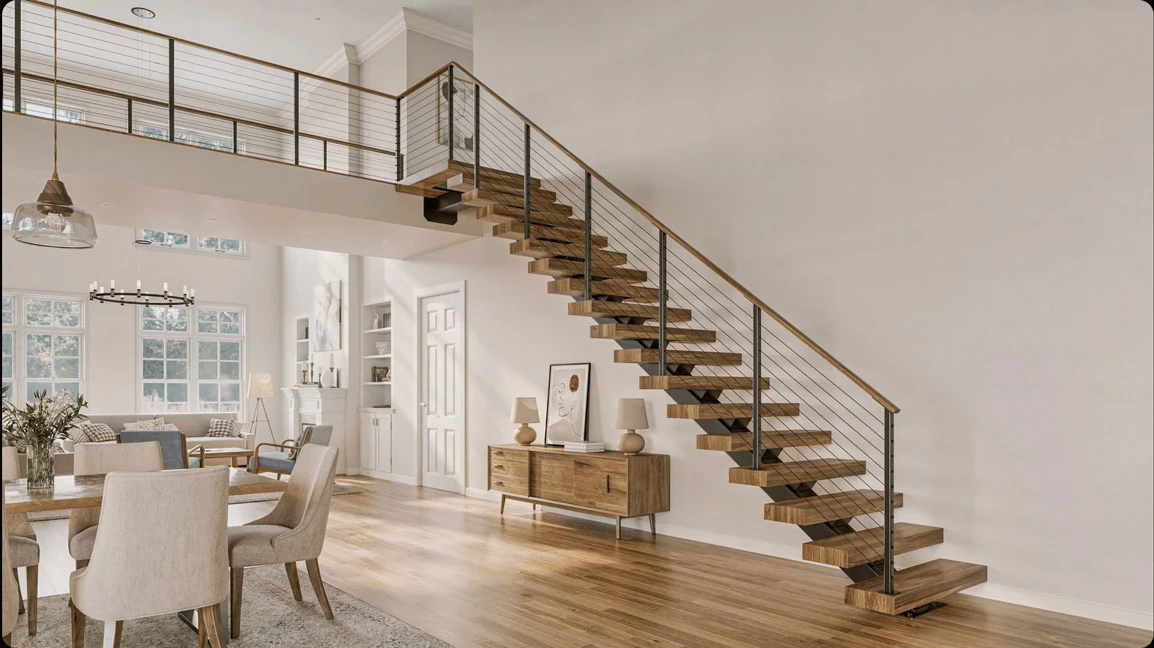
- Hybrid kits (metal structure with wood treads)
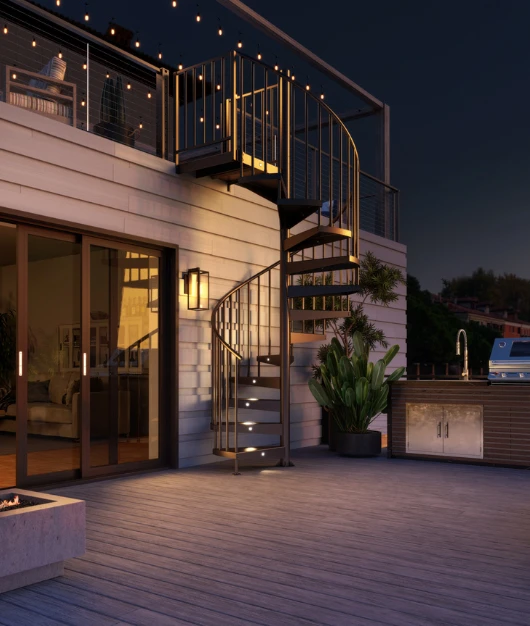
- Spiral systems (popular for compact floor plans)
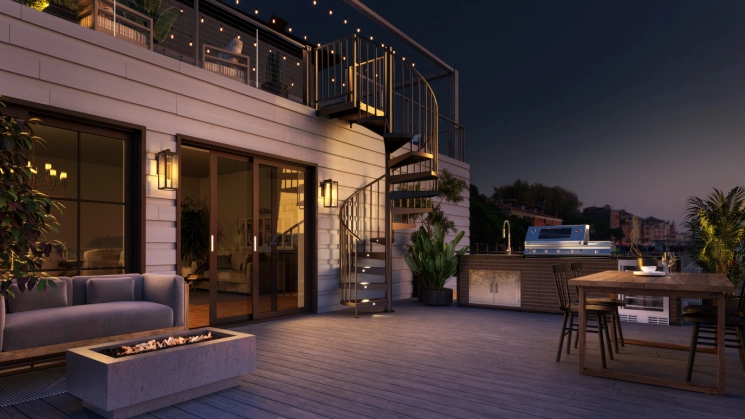
- Outdoor prefab stairs (ideal for decks, patios, and exterior access)
If you’re considering a space-saving option, a spiral system is often the most efficient prefab solution. You can explore options here: prefab spiral staircase.
Where Prefab Staircase Solutions Work Best
A prefab staircase works best when your layout is standard and your floor-to-floor height fits within common ranges. Prefab kits are also popular when budget and speed are top priorities.
- Basements, lofts, and bonus rooms
- Secondary access points (like a home office mezzanine)
- Rental properties and light commercial applications
- Exterior deck access using outdoor prefab stairs
Common materials used in prefab stairs:
- Steel
- Aluminum
- Wood (treads or full wood kits)
- Mixed materials (metal frame with wood treads)
What Are Custom Stairs?
What Makes a Staircase “Custom”?
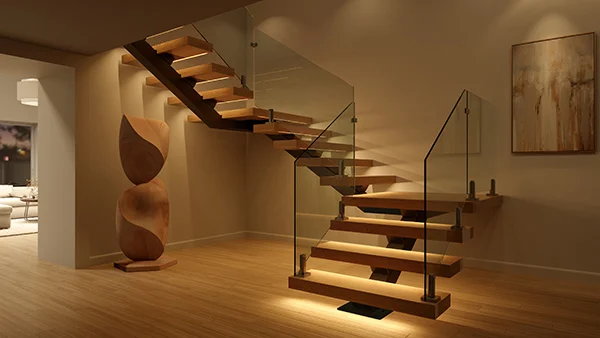
Custom stairs are designed and engineered to match a specific space, style, and structural condition. A custom staircase is not limited to standardized kit dimensions, which makes it ideal for unique floor plans, luxury finishes, and architectural statement pieces.
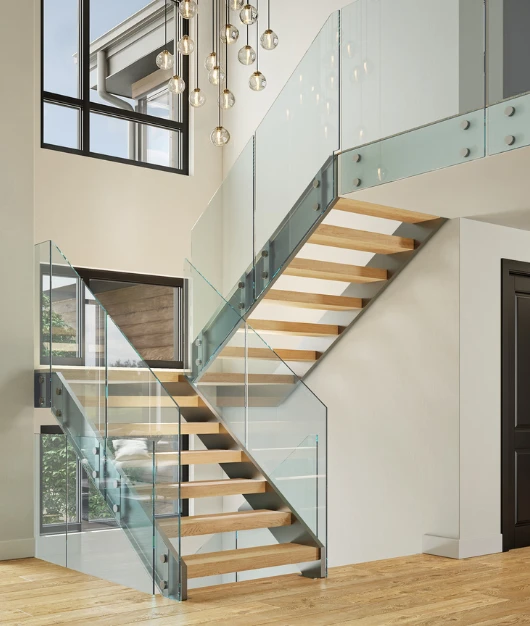
Common custom categories include custom spiral stairs, custom metal stairs, custom wood stairs, and floating custom stairs. These systems are typically built around a design vision, then engineered to meet code and structural requirements.
Interested in a tailored spiral design? Explore a custom spiral staircase. For modern open interiors, see custom floating stairs.
Design & Engineering Process
The custom staircase process includes design, engineering, fabrication, and installation planning. It takes longer than prefab, but it offers much more control over the final result.
- Confirm site measurements and floor-to-floor height
- Review structure and load requirements
- Create a concept and refine the layout
- Select materials, finishes, and railing details
- Complete engineering drawings and permit planning
- Fabricate and schedule delivery
- Install and complete final adjustments
Custom Staircase Materials & Finishes
A custom staircase typically offers the widest range of materials and finishes. This is where you can prioritize premium wood species, specialized metals, and high-impact details like glass rail or integrated lighting.
- Custom wood stairs (white oak, walnut, maple, and more)
- Custom metal stairs (steel plate, tube steel, specialty fabrication)
- Powder-coated finishes in custom colors
- Glass railing systems
- Mixed-material designs that match your interior palette
Prefab Stairs vs. Custom Staircase: Key Differences
Prefab stairs are built around standardization, while custom stairs are built around your space. Use the comparison table below to quickly see what changes most between a prefab staircase and a custom staircase.
| Criteria | Prefab Staircase | Custom Staircase |
|---|---|---|
| Cost | Lower upfront investment and predictable pricing | Higher due to engineering, design time, and premium materials |
| Installation Time | Often faster once delivered | May require more coordination and longer install windows |
| Design Flexibility | Limited to modular configurations | Highly flexible for layout, geometry, and detailing |
| Material Options | Standard steel, aluminum, wood combinations | Premium wood species, specialty metal fabrication, glass |
| Lead Time | Typically shorter, many are ready to ship | Typically longer due to design and fabrication |
| Structural Adaptability | Best for standard openings and floor heights | Best for complex layouts and unique structural conditions |
| Building Code Compliance | Engineered to meet common residential/commercial standards | Engineered to your exact project conditions and constraints |
| Long-Term Value | Great value when function and speed are priorities | High design impact and resale appeal in premium homes |
| Maintenance | Standard maintenance (tighten hardware, clean finishes) | Depends on materials (wood refinishing, glass care, specialty finishes) |
Cost Comparison: Prefabricated Staircase vs. Custom Stairs
Average Cost of Prefab Stairs
Prefab stairs generally cost less because they are manufactured using standardized components. Many homeowners choose prefabricated stair kits to keep the project cost controlled and avoid extended build schedules.
Typical range: A prefab staircase often falls in the low-to-mid thousands, depending on configuration, materials, and railing selections.
Custom Staircase Cost Breakdown
Custom stairs typically cost more because you’re paying for design work, engineering, custom fabrication, and specialized installation. A custom staircase can also involve structural changes, especially for floating custom stairs or unusual spans.
Hidden Costs to Consider
Staircase installation cost can vary significantly once you factor in site conditions. This is true for both prefab and custom systems, especially when the project requires structural reinforcement, permitting, or additional finishing work.
- Structural modifications or reinforcement
- Permitting and inspections
- Delivery constraints (tight access, stairwell limitations)
- Finish upgrades (premium treads, powder coat, glass rail)
| Type | Base Price Range |
|---|---|
| Prefab stairs | $1,100–$3,000 (common residential ranges vary by style) |
| Custom stairs | $5,000–$10,000+ (complexity and finishes drive range) |
Installation & Timeline Differences
Installing Prefabricated Stair Kits
Installing prefabricated stair kits is typically faster because the parts arrive ready to assemble. Many prefab staircase systems include labeled components and step-by-step instructions. This helps keep site time efficient once the delivery arrives.
Prefab install timeframe: Prefab stairs are often installed in an afternoon once delivered, assuming the opening and structural prep are ready.
Custom Staircase Fabrication Timeline
A custom staircase takes longer because it requires design, engineering, and fabrication. You’ll also need to coordinate installation around other construction milestones if part of a new build or major renovation.
- Prefab staircase timeline: select configuration → confirm measurements → order → delivery → installation
- Custom staircase timeline: measure → design → engineer → fabricate → deliver → installation
Typical timeline comparison (order to completion):
- Prefab stairs: often weeks, depending on availability and shipping
- Custom stairs: often multiple weeks to months, depending on design complexity and fabrication
Durability, Maintenance & Long-Term Value
Structural Strength of Prefab Staircase Systems
Prefab staircase systems, especially prefab steel stairs and prefab metal stairs, are engineered to meet common building code requirements. They can be a durable long-term solution when installed correctly and maintained with basic care.
For exterior use, outdoor prefab stairs should use corrosion-resistant materials and finishes. Aluminum and properly coated steel are common choices for outdoor conditions.
Longevity of Custom Stairs
Custom stairs can offer excellent longevity because the structure and materials are selected specifically for your environment and layout. When you need a stair to integrate with unique architecture, a custom staircase can also reduce compromises that lead to long-term wear.
In premium homes, a custom staircase can function as a feature element and contribute to resale value. That value often comes from design impact as much as structural performance.
Maintenance differences to expect:
- Prefab stairs: occasional hardware checks, cleaning, and finish touch-ups if needed
- Custom wood stairs: periodic refinishing or protective maintenance depending on traffic
- Glass and specialty rail: regular cleaning for clarity and appearance
- Exterior stairs: seasonal inspection and cleaning to protect coatings
When to Choose Prefab Stairs
Budget-Friendly Renovations
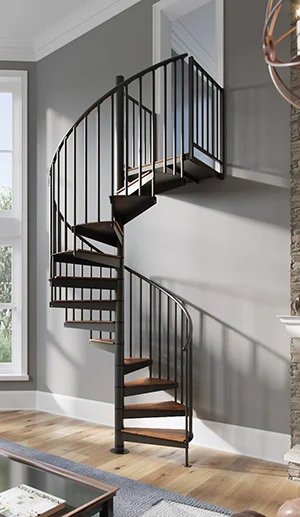
Prefab stairs are a strong choice when the project budget needs guardrails. Prefabricated stair kits can keep costs more predictable while still offering modern looks, especially with metal and wood combinations.
Quick Installation Projects
Prefab staircase systems are often selected when speed matters. If you want to reduce time on-site and move the project forward, prefab can be a practical solution.
Rental & Commercial Applications
For rentals and light commercial builds, prefab metal stairs and prefab steel stairs are often chosen for durability and repeatability. They can also simplify maintenance planning across multiple units.
When to Choose a Custom Staircase
Luxury Homes
In luxury homes, custom stairs are often the better fit because the staircase is part of the interior design story. A custom staircase allows more control over proportion, finish, and how the stair connects to the space.
Unique Architectural Designs
Floating custom stairs, dramatic open risers, and premium railing details typically require a custom engineering approach. Custom fabrication can also help when you need a specific visual effect or material pairing.
Complex Layouts
Complex layouts include unusual floor heights, non-standard openings, or tight structural constraints. In those situations, custom stairs can reduce compromises and improve overall fit.
Decision Framework: Which Stair Option Is Right for You?
Use this checklist to decide between a prefab staircase and a custom staircase. It’s designed for fast decision-making and aligns with the most common project constraints.
- Budget range: Do you need the most cost-effective solution, or are you investing in a statement feature?
- Timeline: Do you need a faster install window, or can you wait for custom design and fabrication?
- Design complexity: Is your stair a standard layout, or does it require special geometry?
- Building code constraints: Are there local requirements that affect tread depth, handrail height, or headroom?
- Long-term goals: Is this a practical access stair, or a central design focal point for resale value?
Decision rule of thumb: Choose prefab stairs for standard openings and faster projects. Choose custom stairs when your layout, materials, or design goals require maximum flexibility.
Ready to Choose the Right Staircase?
If you want speed and predictability, explore prefab options. If you need a statement feature engineered to your exact space, explore custom designs. Either way, you can start by browsing stair styles and narrowing down the best fit for your layout.
- Explore spiral stairs (including prefab spiral staircase options)
- Explore a custom spiral staircase
- Explore custom floating stairs
Frequently Asked Questions About Prefab and Custom Stairs
Are prefabricated stair kits cheaper than custom staircases?
Usually, yes. Prefabricated stair kits use standardized components that reduce design time and labor costs. Custom staircases include engineering, fabrication, and premium materials, which typically increases the total investment.
How long does it take to install prefab stairs?
Most prefab stairs can be installed in an afternoon once delivered and the site is ready. Timeline depends on stair type, railing choice, and whether structural prep or finishing work is needed.
Can prefab staircases be customized?
Many prefab staircase systems offer configurable options like finishes, tread materials, and railing styles. However, they usually have less flexibility for non-standard floor heights or unique architectural layouts than a custom staircase.
Which option is more durable: prefab or custom stairs?
Both can be highly durable when engineered and installed correctly. Prefab steel stairs and prefab metal stairs meet common code requirements, while custom stairs can be engineered for unique loads and design constraints. Durability depends on environment, materials, finish, and maintenance.


