

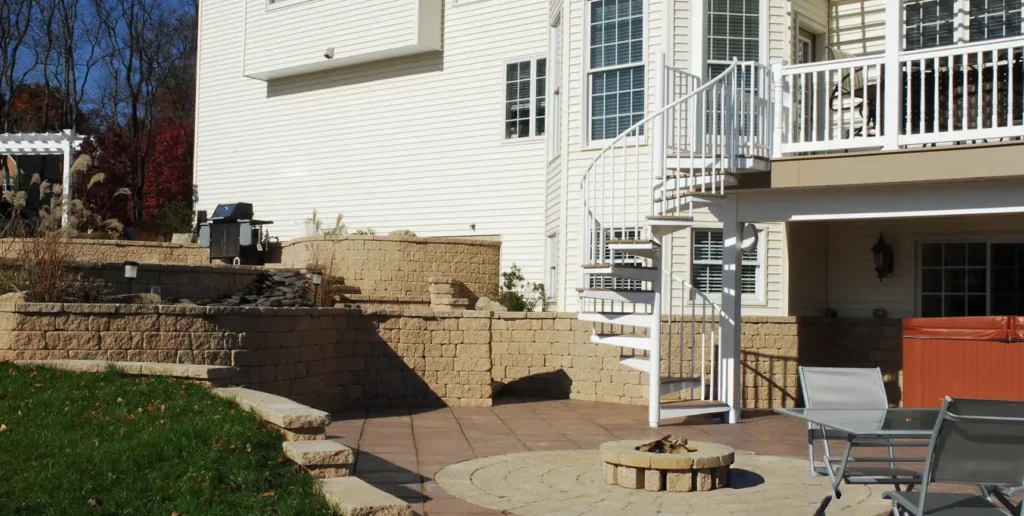
When you picture your deck in winter, you might think of snowdrifts, icy railings, and one more thing to shovel. The last thing you want to wonder is whether your stairs can handle another season of freeze thaw, salt, and slush.
That’s where powder coated aluminum spiral stairs shine.
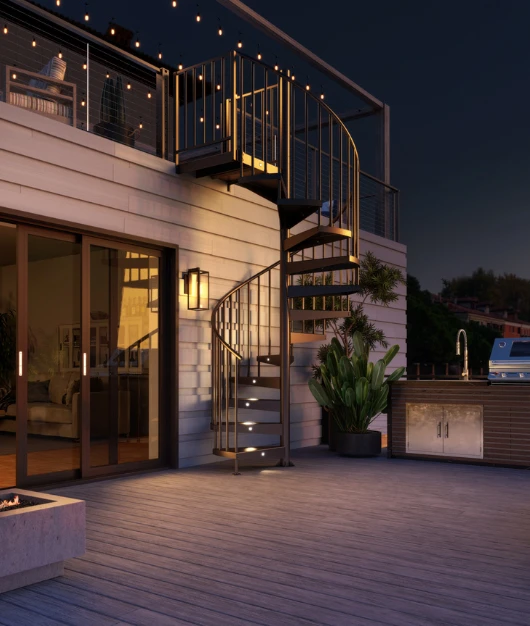
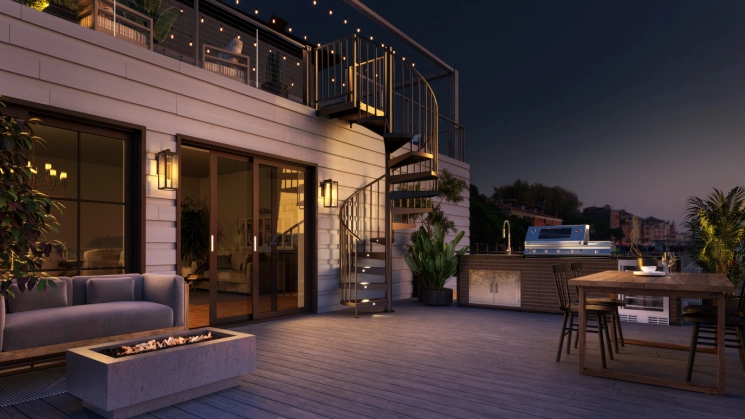
Outdoor spiral stairs already solve a big space problem for many decks. They keep your layout open while still giving you a safe path to the yard. Powder coated aluminum takes it a step further, delivering four season performance, low maintenance, and modern style so you aren’t out there sanding, staining, or repainting every few years.
Why Winter Performance Matters for Deck Stairs
In a four season climate, your stairs do a lot more than look nice on a sunny Saturday. They’re your main route from deck to yard all year long. Winter adds a few extra challenges:
- Moisture and salt: Snow, rain, and de icing products all stress exterior materials.
- Freeze thaw cycles: Repeated expansion and contraction can crack coatings and finishes.
- Traction and safety: Ice and packed snow make every step count.
That’s why the material you choose for your deck spiral stairs has a big impact on how easy your space is to live with in the colder months.
Use our interactive tool to size an outdoor spiral stair, compare materials, and get pricing in minutes.
What Makes Powder Coated Aluminum Different?
Not all metal stairs handle winter the same way. Powder coated aluminum stands out because it combines the natural benefits of aluminum with a finish engineered to live outside full time.
Aluminum Is Naturally Corrosion Resistant
Unlike plain steel, aluminum forms a thin oxide layer that helps protect it from corrosion. When you add a high quality powder coat finish on top, you get a stair system that holds up to:
- Moisture from snow, rain, and ice.
- Salt and de icing chemicals in the air.
- Freeze thaw cycles that can weaken lesser coatings.
Powder coating is not just paint. The powder is applied and then baked on, creating a tougher, more uniform finish than traditional liquid paint.
Powder Coating Fights Chips and Fading
Exterior grade powder coats are designed for real weather, not sheltered porches. They’re engineered to:
- Resist chipping and peeling from daily use.
- Handle UV exposure without fading quickly.
- Stay stable through temperature swings from summer heat to winter cold.
Compare aluminum vs galvanized steel, tread types, railing options, and finishes—so you can choose the right stair for your climate and maintenance goals.
How Powder Coated Aluminum Handles Snow and Ice
Winter ready is not just a phrase. Here’s how a powder coated aluminum stair performs once the snow arrives.
Rust and Corrosion Resistance
Traditional steel depends heavily on its paint layer. Once that layer chips or wears thin, rust spreads fast. Powder coated aluminum works differently:
- There is no raw steel under the surface waiting to rust.
- Aluminum has built in corrosion resistance.
- The baked on powder coat adds another protective barrier.
Traction Underfoot in Winter
Any exterior stair can get slick if ice forms, but aluminum spiral stairs start with engineered traction. Most include:
- Textured treads: Grip patterns that help with footing.
- Optional non slip inserts: Add on plates or strips where needed.
- Consistent rise and run: Predictable, comfortable steps even in low light.
Lighter Weight, Strong Performance
Aluminum weighs significantly less than steel. That makes installation easier and reduces load on deck framing. Even with the lighter weight, engineered aluminum spiral stairs still meet or exceed residential code requirements for live loads and guardrail strength.
Aluminum vs Galvanized Steel vs Wood in Winter
Here’s how each common material performs once temperatures drop.
Powder Coated Aluminum Spiral Stairs
- Pros: Excellent corrosion resistance, low maintenance, lightweight, and ideal for snowy or coastal climates.
- Cons: Higher upfront cost than basic lumber, usually purchased as a complete engineered system.
Galvanized Steel Spiral Stairs
- Pros: Extremely durable, rugged, and strong with excellent weather resistance.
- Cons: Heavier, more industrial in appearance, and vulnerable if the galvanizing is damaged.
Wood Deck Stairs
- Pros: Lower material cost and a familiar look.
- Cons: Require regular staining or sealing, and are vulnerable to rot and warping in freeze thaw cycles. Their treads are also more slippery when wet or icy.
Share a few details and we’ll recommend the right outdoor spiral stair package.
Designing Winter Ready Aluminum Spiral Stairs
Performance is important, but you should also love how your stair looks. Powder coating gives you flexibility with color and finish.
Color and Finish Choices
- Black or charcoal: Works with most homes and hides minor winter debris.
- Gray and earth tones: A natural match for composite decking.
- White or light finishes: Clean and bright for coastal or modern homes.
Integrating With Your Deck Layout
- Corner placement: Saves deck space and keeps the center open for furniture.
- Landing alignment: Helps the stair drop cleanly onto a patio or pathway.
- Railing matching: Lets your spiral coordinate with your existing deck rails.
Low Maintenance Routine for All Seasons
One of the biggest perks of aluminum spiral stairs is how little maintenance they need compared to wood or uncoated steel.
Fall Preparation
- Rinse with a garden hose to remove debris.
- Clear leaves from treads and around the base.
- Check the powder coat for deep scratches or chips.
Winter Care
- Use a plastic shovel or broom to remove snow.
- Use a stair safe de icer when needed.
- Avoid piling deep snow at the base of the stair.
Spring Refresh
- Wash with mild soap and water to remove any salt residue.
- Inspect hardware after the freeze thaw season.
- Contact your stair specialist if you notice unusual wear.
We can help you design the right aluminum spiral stair for your deck and climate.
Winter FAQs About Aluminum Spiral Stairs
Do aluminum spiral stairs get slippery in winter?
They can if ice forms, like any exterior stair, but textured treads and optional non slip inserts help with traction. Keeping snow cleared and using a stair safe de icer makes them comfortable for everyday winter use.
Will aluminum spiral stairs rust?
No. Aluminum does not rust the same way steel does. Powder coating adds even more protection from moisture and salt.
Are aluminum spiral stairs strong enough for heavy snow?
Yes. Quality spiral stair systems are engineered to meet residential building codes, including live load and guardrail strength requirements. Snow load concerns are typically addressed by your deck framing, not the stair itself.
How often do I need to refinish powder coated aluminum?
Usually never. Occasional cleaning and basic inspection are all that is needed. If damage occurs, our customer service team can advise on touch up options.
Is aluminum a good choice for lake houses and coastal homes?
Absolutely. Aluminum’s natural corrosion resistance, combined with powder coating, makes it ideal for moisture rich or salt heavy environments.
Compare traditional deck stairs with a space saving, powder coated aluminum spiral stair and see how much easier winter access can be.
From the first frost to the last spring thaw, powder coated aluminum deck spiral stairs offer a dependable, low maintenance way to move between your deck and yard. They stay strong in winter, look great all year, and keep your outdoor space comfortable and usable season after season.


