Free Shipping! Ships within 3 Business Days.
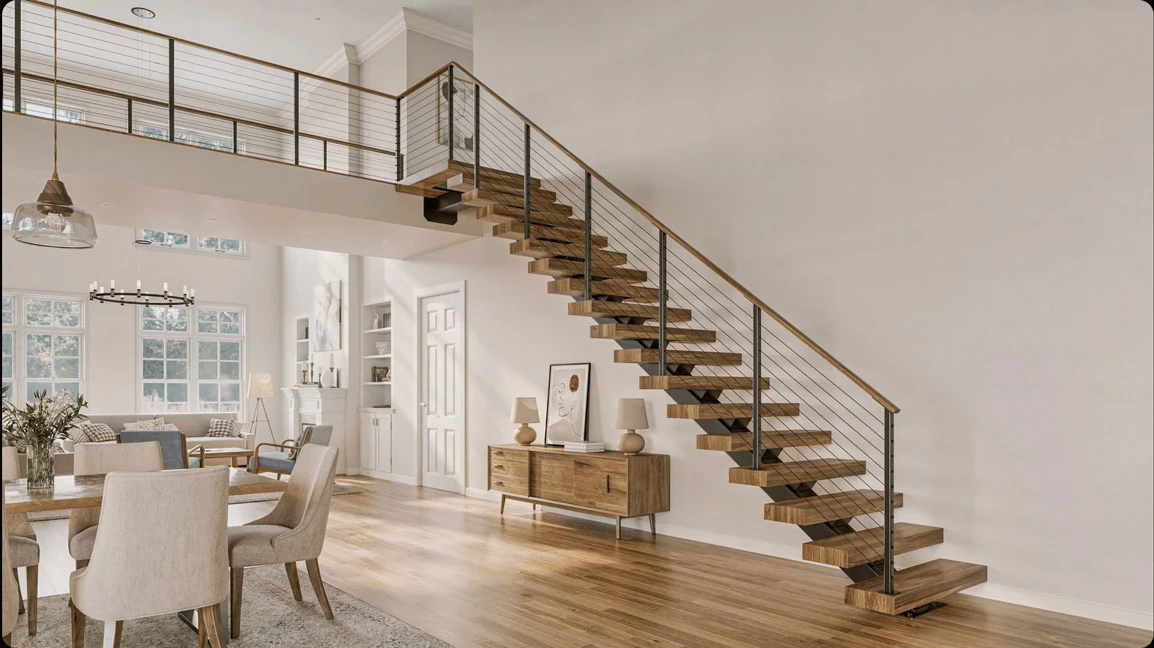
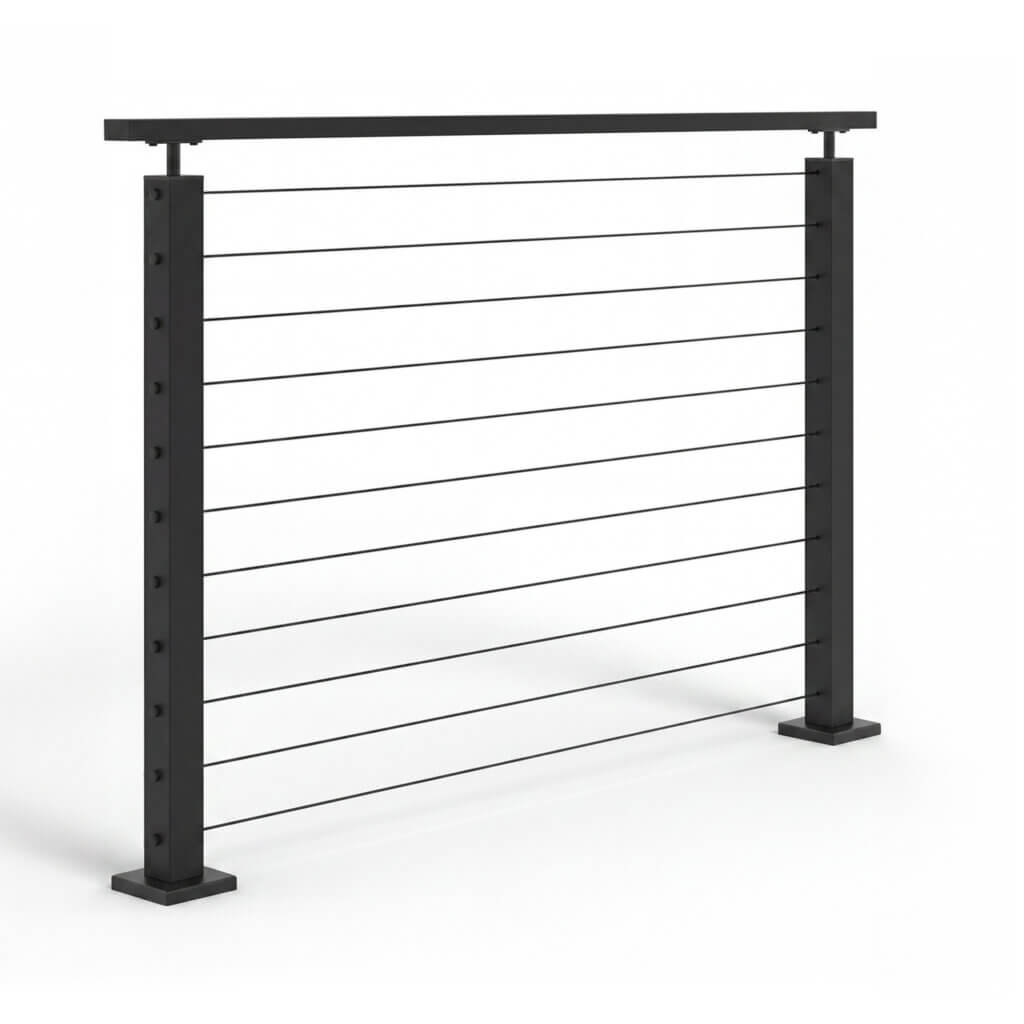
Lynx Railing Systems - Black Posts with Black Cable Infill
$880.00 – $2,040.00
Customize & Buy
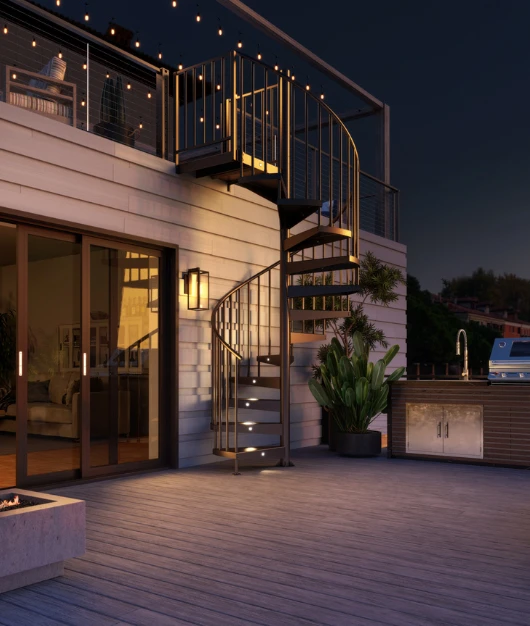
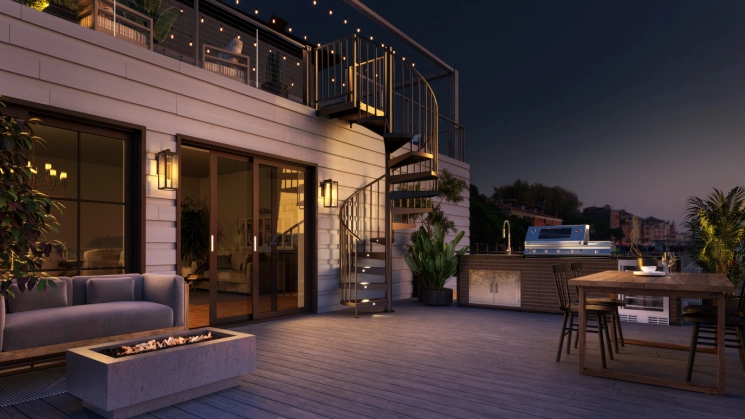
New: The Trex® Spiral Stairs Collection Is Here


Our Build Your Stair tool lets customers dive into an interactive experience, exploring and selecting from all our custom options to create their dream staircase.
Lynx Railing Systems
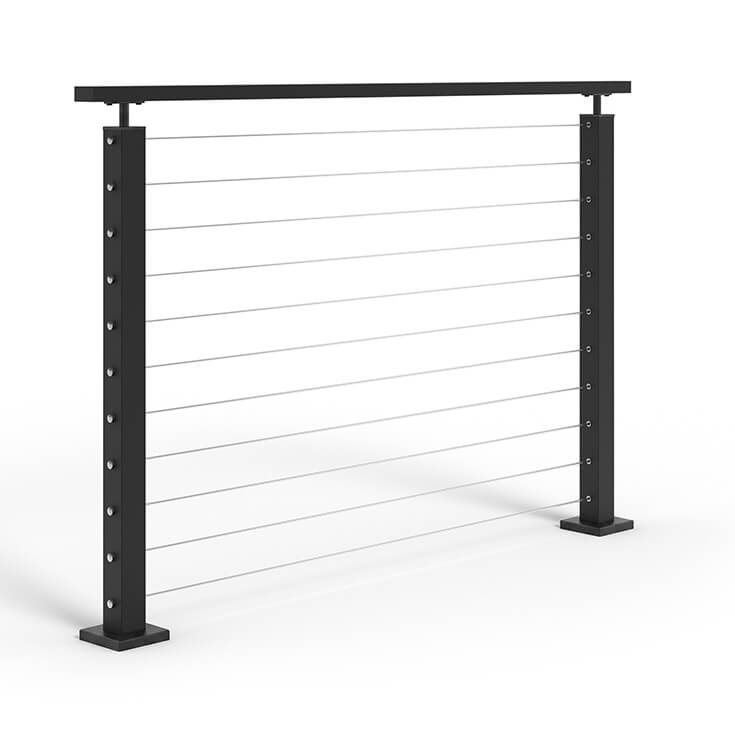
Transform your outdoor or indoor space with our premium, weather-resistant cable railing system. Designed for straightforward DIY setup with zero compromise on architectural style.
Free Shipping! Ships within 3 Business Days.
Free Shipping! Ships within 3 Business Days.
No products match the selected filters.
RESOURCES
Learn more about railing system options, materials, and applications to help plan and specify the right solution for your project.
GUIDE
An overview of railing system types, key considerations, and how to select the right configuration for your space.

GUIDE
Compare aluminum, cable, and glass railing options, including performance differences and design considerations.

COMPARISON
Understand the differences between cable and glass infill systems, including visibility, maintenance, and overall application.
Cable railing replaces bulky balusters with slim, high-tension stainless steel cables, keeping sightlines open while meeting the same safety codes as any guardrail. Paragon cable railing kits are engineered to your exact project dimensions: posts, top rail, and marine-grade cable, shipped ready to install. Whether you are adding a modern edge to an open loft, securing an elevated outdoor deck, or upgrading a commercial perimeter, our prefabricated cable railing systems deliver architectural precision with straightforward installation.
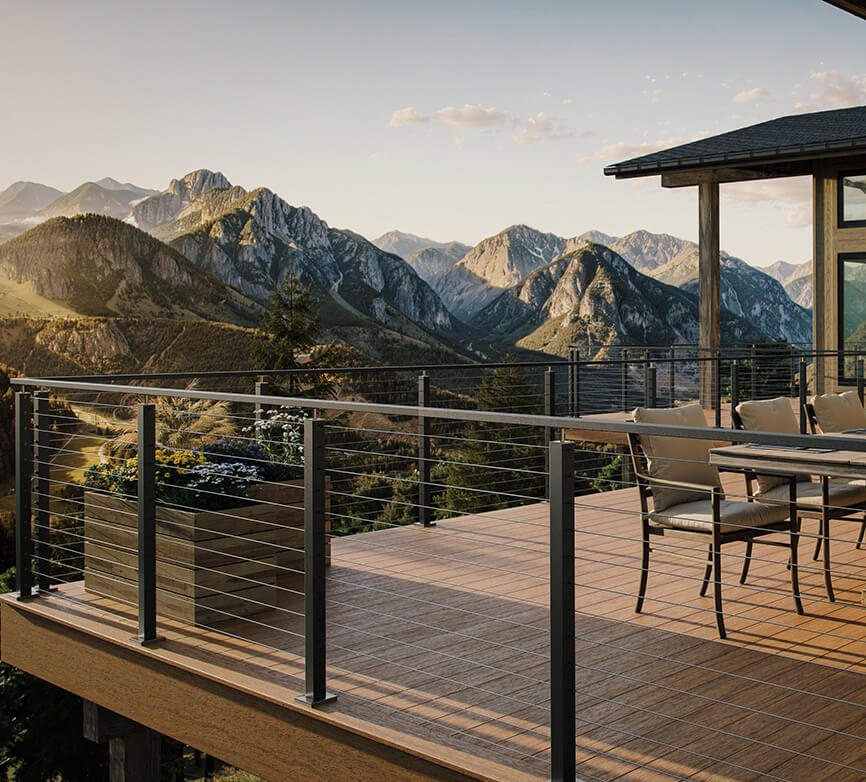
Cable railing is the most popular modern railing pairing for open concept layouts and outdoor spaces because it preserves an airy, light-filled environment. The ultra-thin horizontal cables virtually disappear from a few feet away, allowing natural light and scenic views to flow freely, giving interior and exterior spaces an open, expansive feel.
Yes. When spaced, tensioned, and terminated correctly, cable railing meets the same International Residential Code (IRC) and International Building Code (IBC) safety requirements as any traditional guardrail.
Understanding code compliance for cable railing comes down to four core engineering standards:
Local Adoption Note: Building codes are adopted and enforced by your local Authority Having Jurisdiction (AHJ). While national model codes set standard guard heights and sphere rules, local inspectors may enforce specific regional variations. Paragon engineers every cable railing kit to meet your local municipal requirements.
A complete cable railing system is a structural assembly engineered to handle high tension loads across precise dimensions, not a loose collection of parts. Every Paragon cable rail kit is manufactured to your exact site layout.
Searchers frequently use the terms cable handrail and cable banister when referring to the entire railing assembly. Technically, the handrail (or top rail) is the top wood or metal rail that provides continuous structural cap support. The cable serves as the infill material filling the open space below the top rail to meet fall-protection codes.
Selecting the right modern railing kits depends on your vision for sightlines, maintenance preferences, and structural styling.
Installing a cable rail kit on straight horizontal runs is a highly manageable project for a confident DIYer using standard tools.
For large-scale commercial installations or complex perimeter layouts, many property owners prefer partnering with a local contractor. If you are configuring a custom space, use our online design tools to layout your framework and cable railing together.
Buying generic cable hardware from off-the-shelf component sellers often leads to bowing end posts, sagging cables, and failed inspections.
A cable railing system requires rigid structural support to maintain proper cable tension safely. When you purchase your kit directly from Paragon, your system is engineered as a single unit: end posts are calculated for cumulative tension loads, post attachment plates match your framing, and cables stay taut over time. Every system is backed by our in-house engineering team, 75+ years of fabrication experience, and a lifetime warranty on metal fabrication.
Preserve your views and elevate your property with a custom cable railing system engineered for your exact dimensions, local building code, and style.
Get Your Free Consultation or configure your layout with our online design tools today.
Yes. Cable railing is legal in virtually all jurisdictions when engineered to meet standard guardrail heights and the 4-inch sphere rule. Because requirements can vary slightly depending on your regional Authority Having Jurisdiction (AHJ), Paragon engineers every cable stair kit to comply with your local municipal codes.
Cables are typically spaced about 3-4 inches apart vertically. This ensures the opening remains at or under the mandatory 4-inch limit, even when a force is applied to the cables. Proper cable tension and intermediate post placement are what keep the system rigid and code-compliant.
Maintenance is minimal compared to glass or wood systems. You will simply need an occasional wipe-down with mild soap and water to keep the stainless steel looking fresh, along with a periodic tension check. Tension adjustments are quick and straightforward using our concealed internal fittings.
Absolutley. Marine-grade 316 stainless steel cable combined with powder-coated steel or aluminum posts provides exceptional resistance to rain, snow, and coastal salt spray. It is an ideal choice for exterior entry steps and deck stairs where maintaining open outdoor views is key.
Yes. Terms like wire railing, wire banister, and cable railing all describe the exact same system: high-tensile stainless steel wire rope running horizontally as guardrail infill. While “cable railing” is the official industry term, homeowners and contractors frequently use wire railing interchangeably.
Total cost depends on several custom variables, including overall run length, post layout, mounting type, finish, and whether you choose a metal or wood top rail. Prefabricated stair kits eliminate costly on-site fabrication. Contact our team today for an accurate, direct-from-manufacturer quote tailored to your exact measurements.
Installation time varies by project size and complexity, but many straight railing sections can be assembled and installed in an hour or less once the layout and mounting locations are prepared.